Inspection, survey or report - which do you need?
These three words get used interchangeably across the industry, which helps nobody. Here is how we use them, and you can ask for whichever fits.
In practice most people ring us describing a symptom rather than a product. Describe the symptom and we will tell you which of the three answers it, and what it costs, before anyone gets in a van.
- Structural inspection - an engineer attends and assesses a specific structural concern. Focused, quick, and often all that is needed.
- Structural survey - a broader inspection of the load-bearing fabric of the whole building, written up in full.
- Structural report - the written deliverable itself, produced from either of the above, in the form a lender, solicitor, insurer or Building Control will accept.
When people book an inspection
The trigger is almost always something that has appeared, moved or been noticed. The most common reasons we are called out:
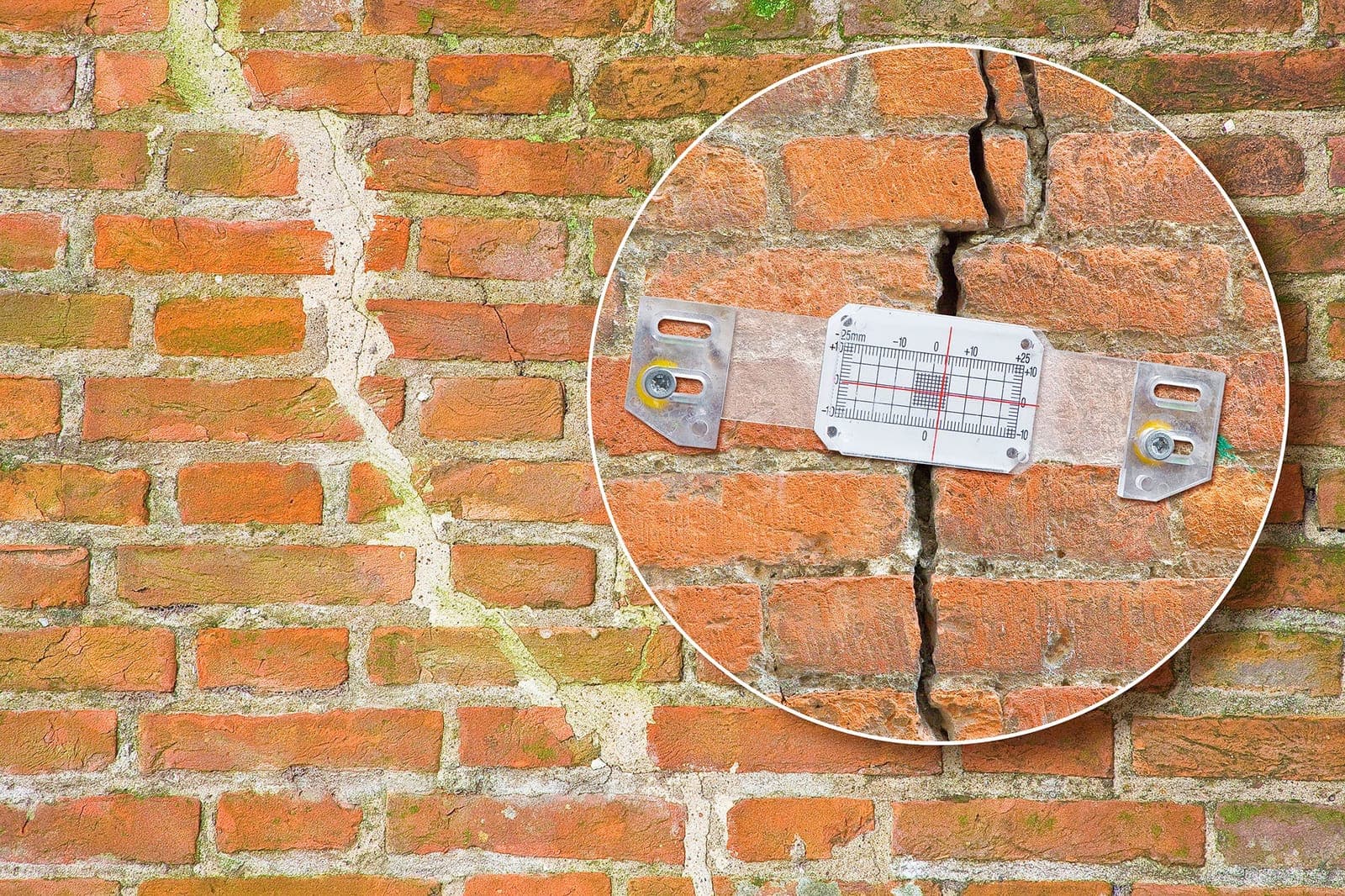
- New or widening cracking to internal walls, ceilings or external brickwork
- A homebuyer or mortgage valuation survey that says 'refer to a structural engineer' - the single most common reason we are instructed
- Floors that bounce, slope or feel soft underfoot
- Doors and windows that have started to bind or catch
- A wall, chimney or parapet that looks out of plumb, or brickwork that is bulging
- Alterations done by someone else with no calculations behind them - a removed wall, a taken-out chimney breast, a loft boarded and used as a room
- Water damage, a vehicle impact, a fire, or a neighbouring excavation
- A structure you are about to buy, let, take on or insure and need an informed opinion on
What happens on the day
The engineer walks the property with you if you want to be there, or alone if that is easier. We look at the external elevations, the internal structure, the roof space where it is accessible, the floors, and anything specific you have flagged. We photograph everything we comment on.
We inspect what can be seen without opening up the building. That is a real limit and we state it plainly rather than glossing over it: foundations, wall ties, embedded steelwork and concealed timbers cannot be assessed by looking at a wall. Where the answer genuinely needs something opened up, a trial pit dug, or movement watched over time, the report says so and sets out the sensible next step instead of guessing.
A focused inspection typically takes under an hour on site. A whole-building inspection takes longer. Either way you usually get the engineer's initial view before they leave - the written report follows and is the document that carries weight.
What you get
A written engineering report: what was inspected, what was found, what it means, and what - if anything - to do about it. Photographs are included so every observation is anchored to something you can see. Where remedial work is needed it is described in enough detail for a builder to price against.
Where the answer is that nothing is wrong, the report says that clearly, and that is a perfectly good outcome. A large share of the inspections we carry out end with a written confirmation that the movement is historic, the cracking is cosmetic, or the alteration is adequately supported. That document is often exactly what a buyer, a lender or a nervous owner needed.
We do not sell the repair
Much of the advice a worried homeowner finds online is published by companies that sell the remedy - underpinning, resin injection, re-tying, damp proofing. Their diagnosis and their order book point the same way.
We are engineers. We do not carry out the repairs we specify and we take no commission from anyone who does, so 'this is stable, leave it alone' is an answer we are free to give and do give often. If work is needed we will design it properly; if it is not, we will say so in writing.
Fee and turnaround
A full structural survey and report is a fixed £580 + VAT. Focused single-defect inspections are scoped and quoted individually, and you get the figure in writing before we attend - no hourly rates running in the background.
The report is with you within 10 working days of the inspection, guaranteed. Property purchases run to somebody else's timetable and a report that arrives after exchange is worth nothing, so we treat the date as a commitment rather than an estimate.
Frequently asked questions
What is the difference between a structural inspection and a RICS survey?
A RICS homebuyer report or Level 3 building survey is a broad condition assessment of the whole property - roof coverings, services, damp, joinery, and the structure among them. A structural inspection is an engineer looking specifically at the load-bearing structure and giving an engineering judgement on it. When a RICS surveyor writes 'we recommend you consult a structural engineer', a structural inspection is the thing they are recommending.
Can you inspect just one crack?
Yes, and it is one of the most common jobs we do. A defect-specific inspection keeps the cost proportionate to the question. If the engineer arrives and finds the concern is part of a wider pattern, they will tell you on the day rather than quietly widening the scope and the bill.
How quickly can you attend?
It depends on the week and where the property is, but Leeds and the surrounding towns are usually quick because we are based here. Tell us your deadline when you enquire - if you are working to an exchange date, say so, and we will tell you honestly whether we can meet it.
Will the report be accepted by my mortgage lender?
Reports produced by a structural engineer are what lenders and their valuers normally ask for when a valuation is referred. If your lender or solicitor has specified particular wording or particular questions to be addressed, send it to us with the enquiry and we will make sure the report answers it directly.
Do you inspect commercial buildings?
Yes. Commercial alterations, structural appraisals of older commercial stock, mezzanines, and condition inspections for landlords, tenants and purchasers are all regular work for us alongside the residential side.